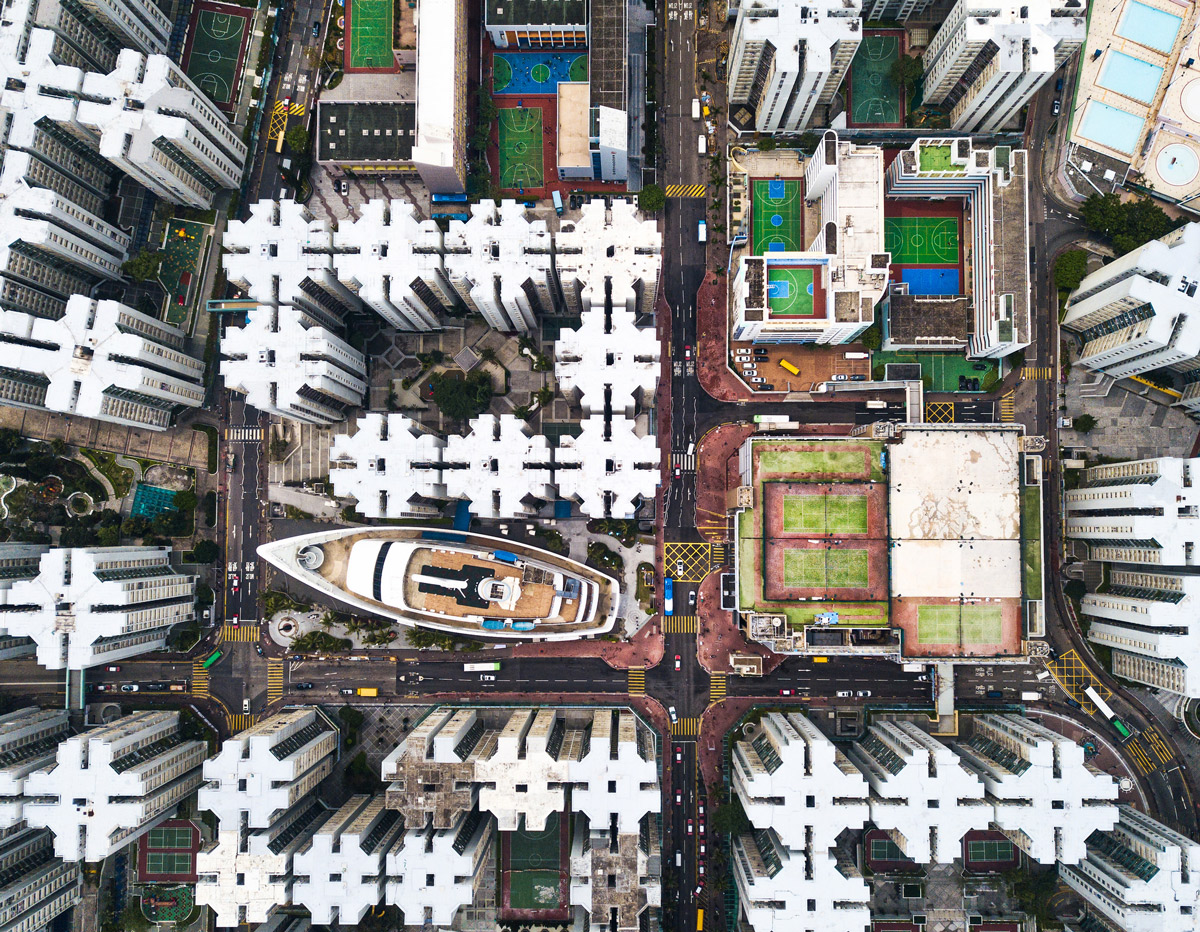
That April 19 post featuring a boat hemmed in by high-rise apartment towers in Hong Kong? Not even a real boat, per reader Marion Puglisi, who pursued the truth of the matter with her source (her brother) in Hong Kong. It seems that the area was once the harbor front, and the real estate company that built the apartment buildings also built "what looks like a boat" on the property, "as a nod to that past."
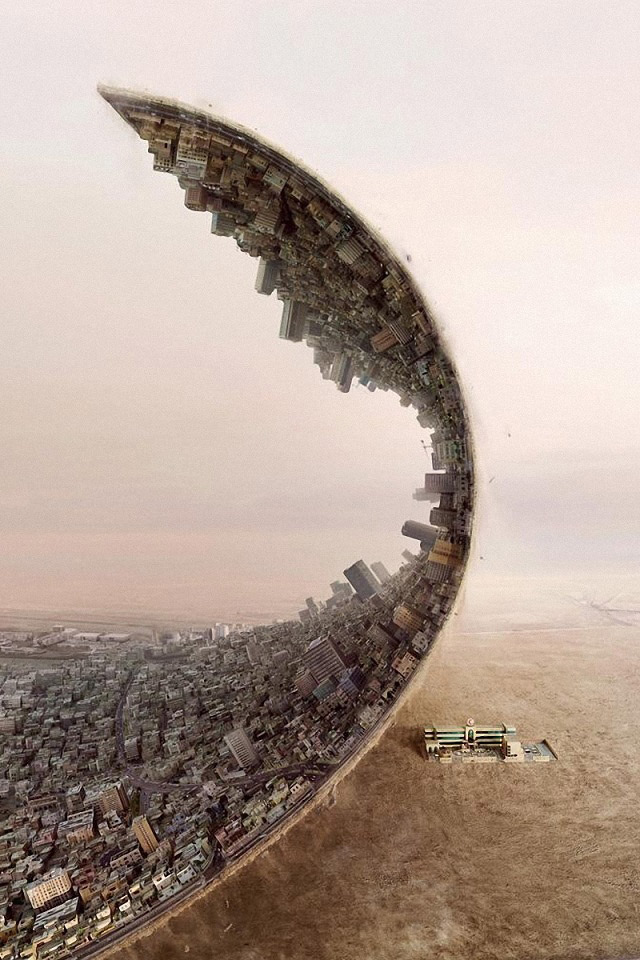
And the April 7 post of artwork showing a city peeled back to reveal the nearly blank slate of what might once have been? That was a cropped version of a 2011 print advertising campaign by telecom corporation Batelco in Bahrain. The idea was that Batelco could help you peel away all the urban clutter to highlight just the bit you were interested in; different versions of the ad isolated a hospital, a hotel, and a Chinese restaurant. We have Pat Nelson to thank for peeling away the internet clutter via what she admits was "dogged image searching" to uncover the story behind the story.
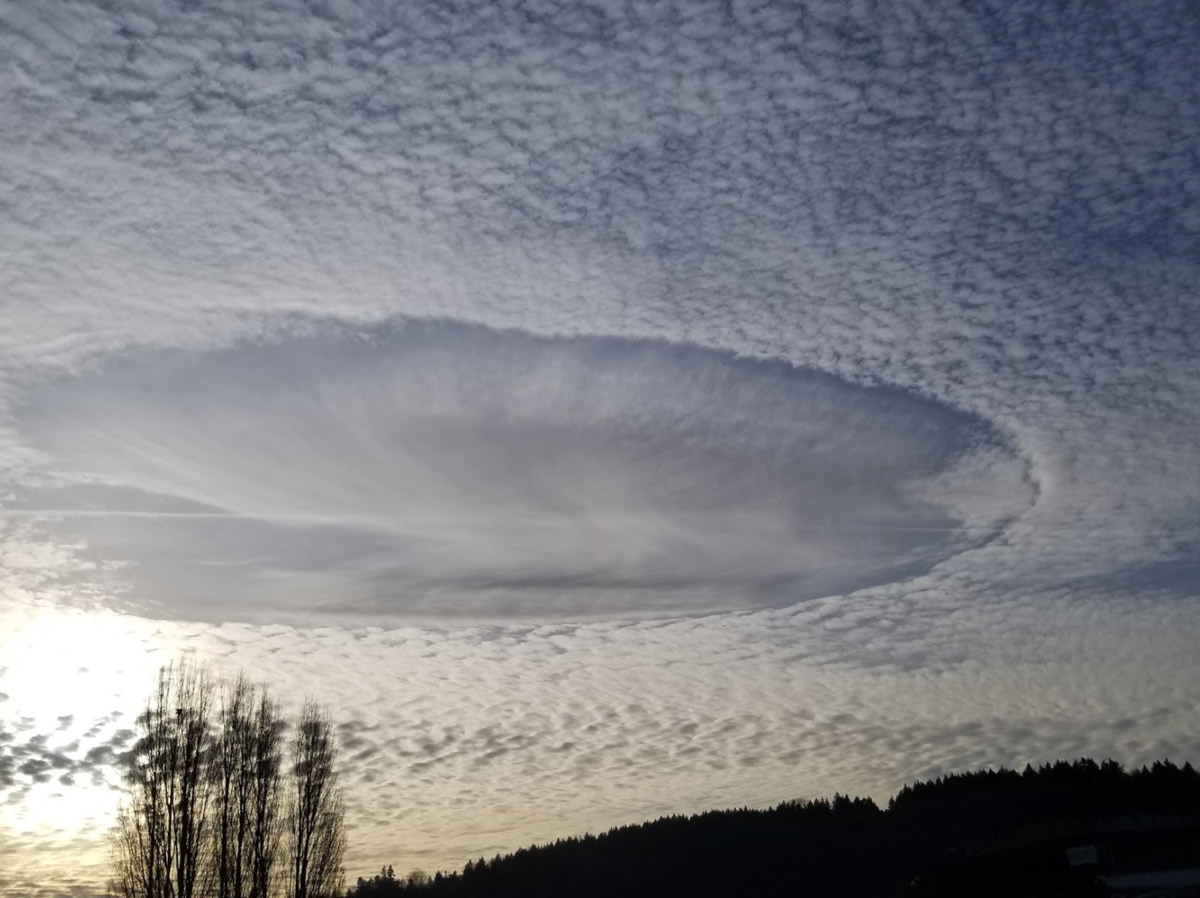
And the name of this website, Hole in the Clouds? For what it's worth, today's photo does in fact show a real hole in real clouds. An airplane taking off from Sea-Tac airport last December punched this hole on a day when the air surrounding a mid-level cloud deck was so quiet and still that water vapor lacked the oomph to change from liquid to frozen form, despite superchilled temperatures up there that were way below 32 degrees Fahrenheit. The airplane stirred things up, flash-freezing the cloud in its vicinity, and the ice dropped away, leaving us a big gaping hole for the camera.
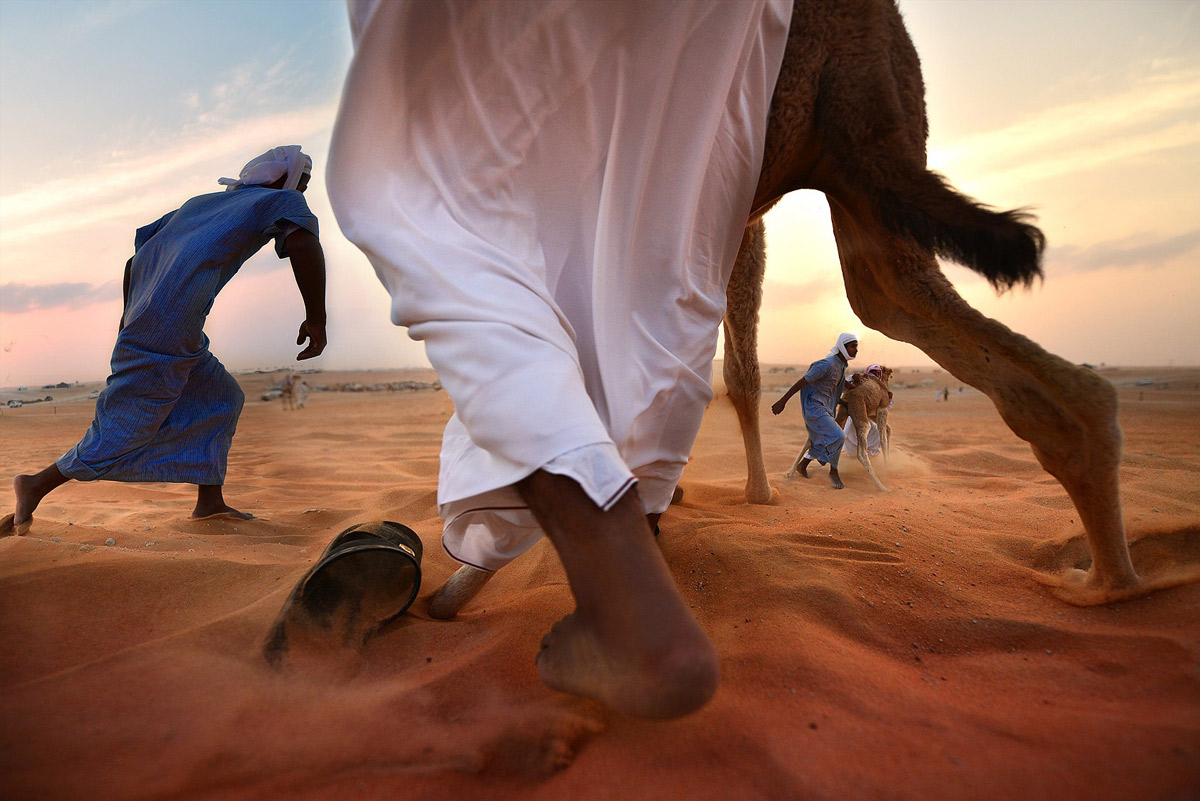
The Al Dhafra Camel and Heritage festival in western Abu Dhabi claims the only camel beauty contest in the world, but this photo captures preparations for one of the festival's more traditional events: a race across the sands of the Empty Quarter. A purebred race camel can cost as much as a thoroughbred racehorse.
Two years ago, in the month of May, a wild ruffed grouse, who was soon known as Grousey, made his home in a part of southern New Hampshire that was also claimed as home by a human, who was already known as Pat.
For almost seventh months, until mid-December 2016, Grousey and Pat shared their territory. Or tried to.
By all accounts–we're talking social media accounts here–Grousey found living with Pat to be a trial and a nuisance. He often had to chase her into the house and keep guard at her doorway, lest she dare to venture out again.
He acquired many Facebook friends and other fans, and he "never failed to make a showing for those who came to visit." But if they outstayed their welcome, he'd run them off, nipping at their heels.
No one was surprised that Grousey didn't show his feathered little face in the wintertime. But when spring 2017 rolled around, he still did not reappear. "Fans like to think," we're told, "that he smartened up and set up an alternative territory not shared by bothersome humans."
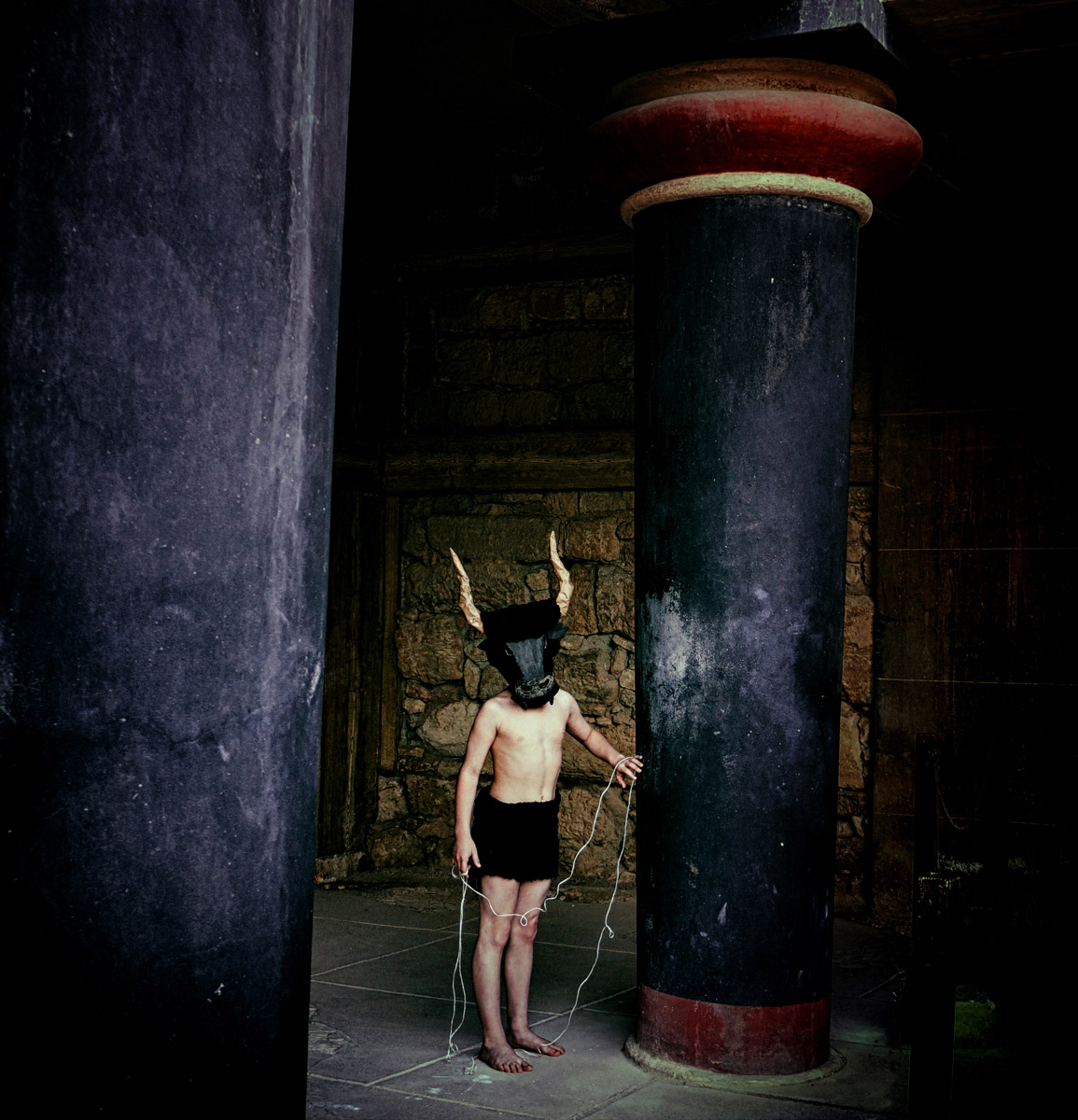
Photographer Panos Skordas won the Greek national award in Sony's world photo competition with this shot of his son dressed as a minotaur, in the Palace of Minos at Knossos, Crete.
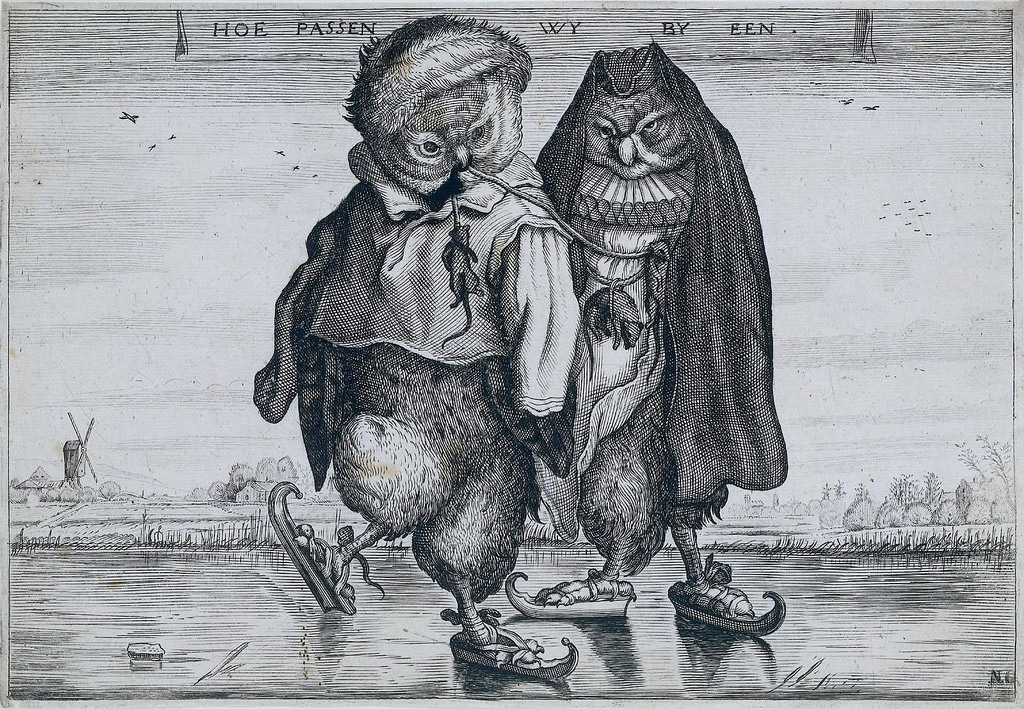
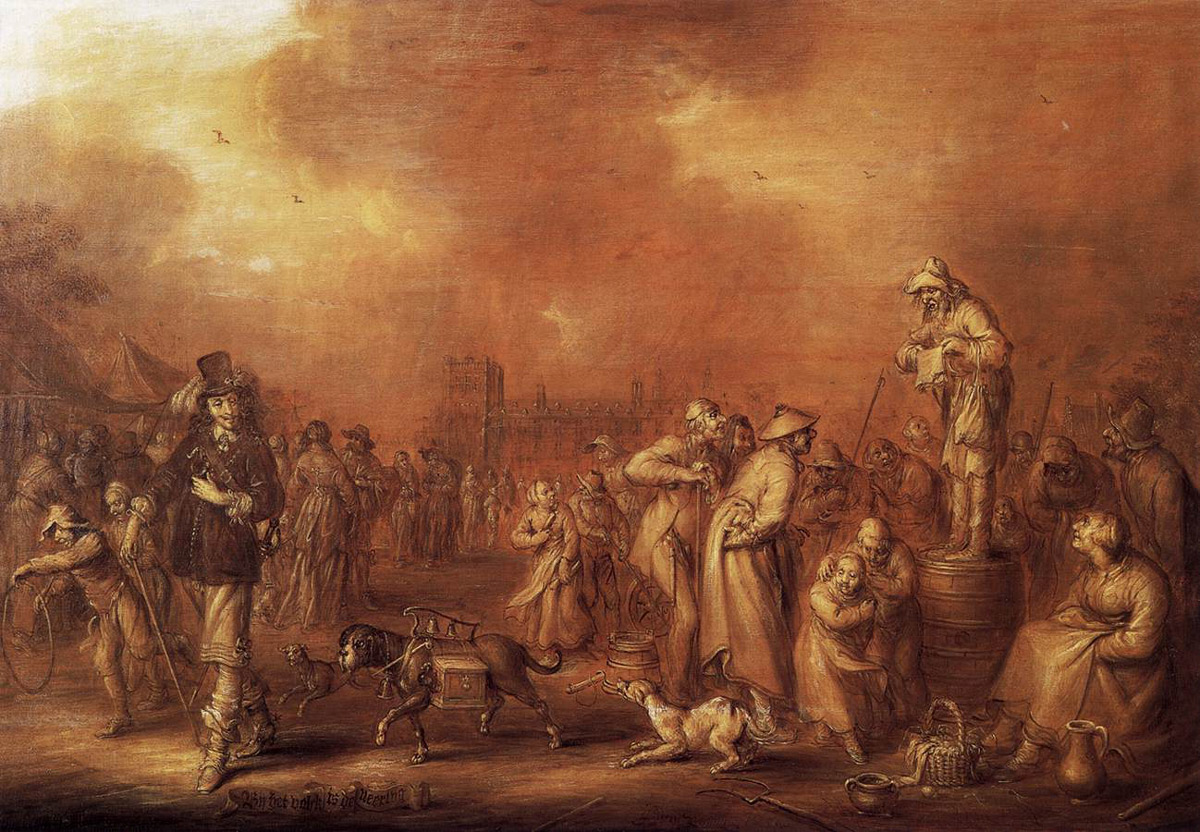
Above the skaters in this Dutch engraving believed to date from a few years before 1650 is a banner proclaiming "How well we suit each other."
This is a political cartoon, with the proclamation evidently meaning that owls do best with other owls or, as Anita sang to Maria in West Side Story, "Stick to your own kind–one of your own kind."
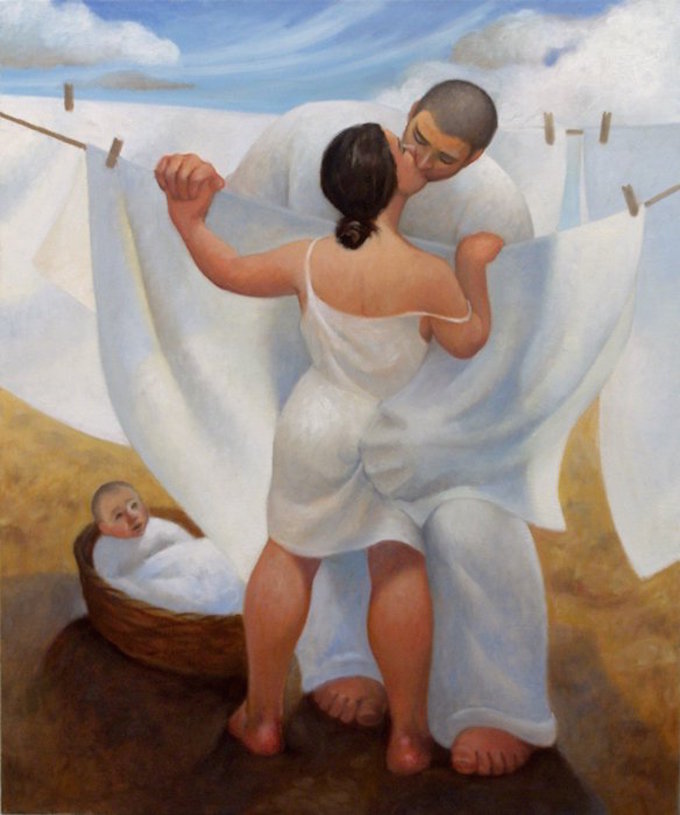
There are many stories of children reading, or listening to, the adventures of Laura and her family in Laura Ingalls Wilder's Little House books and deciding to try that way of life themselves.
Their attempts could prove exciting and educational. We know of one eight-year-old who set her grandmother's house on fire when she was inspired by her reading to try to go to bed by candlelight.
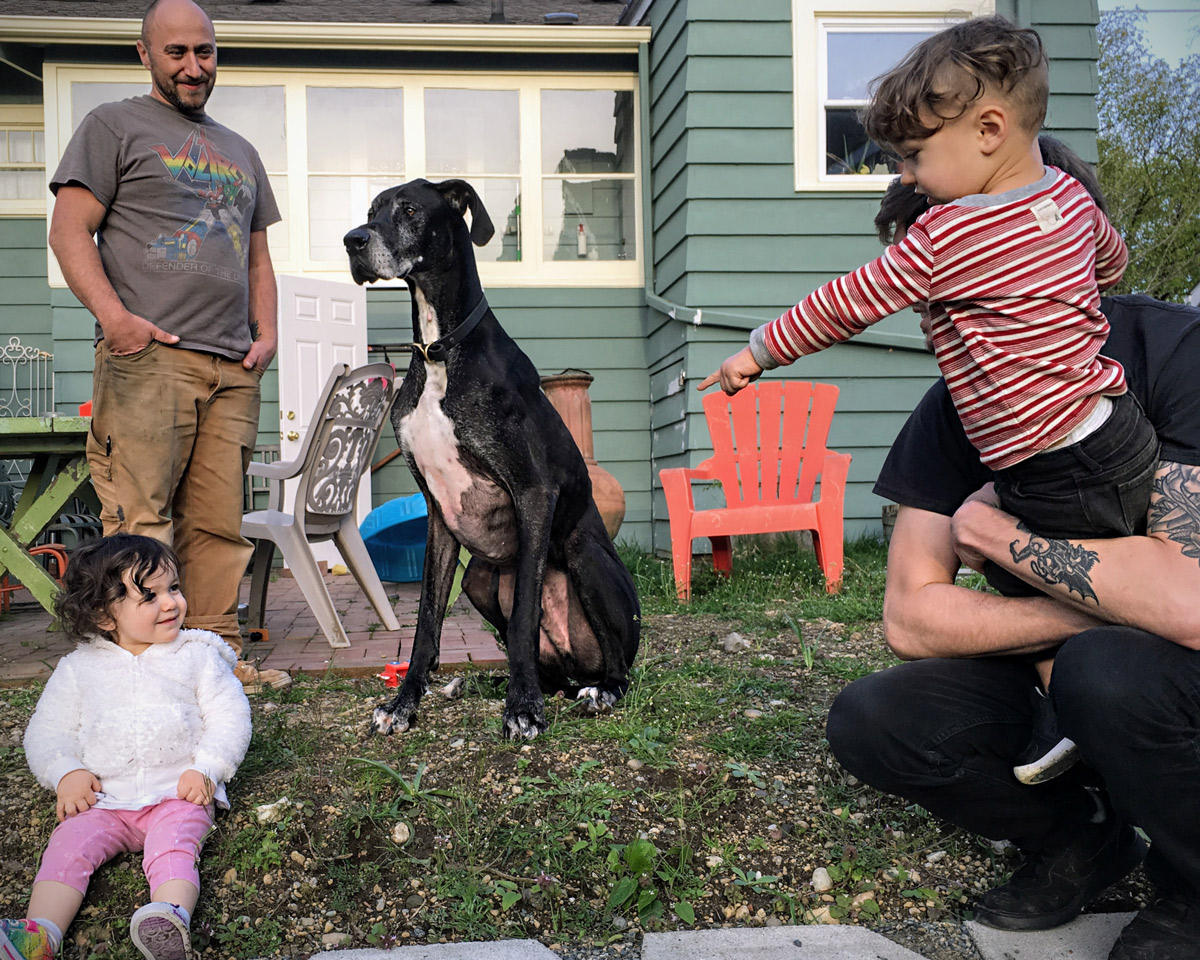
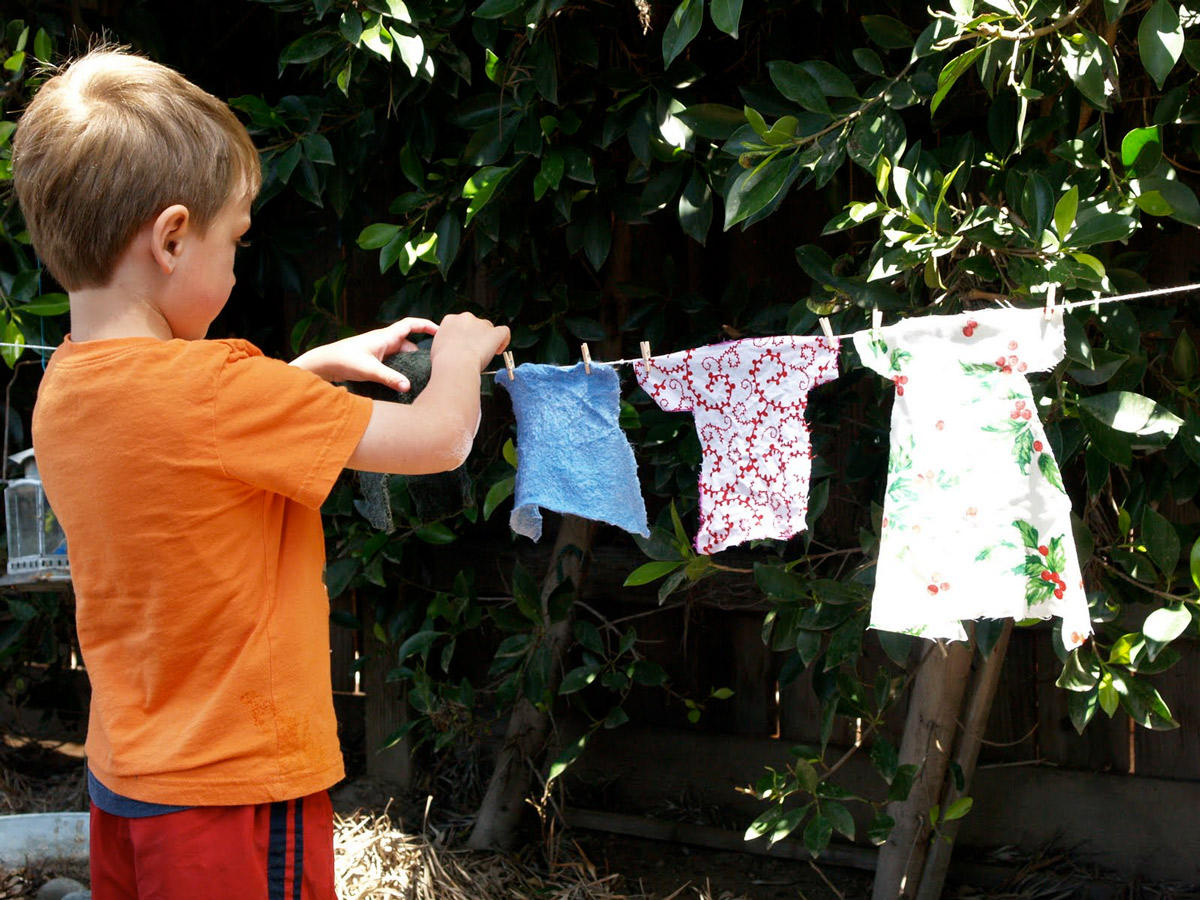
The little boy pictured here, Teddy, and his big sister Kitty, were just a few chapters into the very first book, Little House in the Big Woods, when
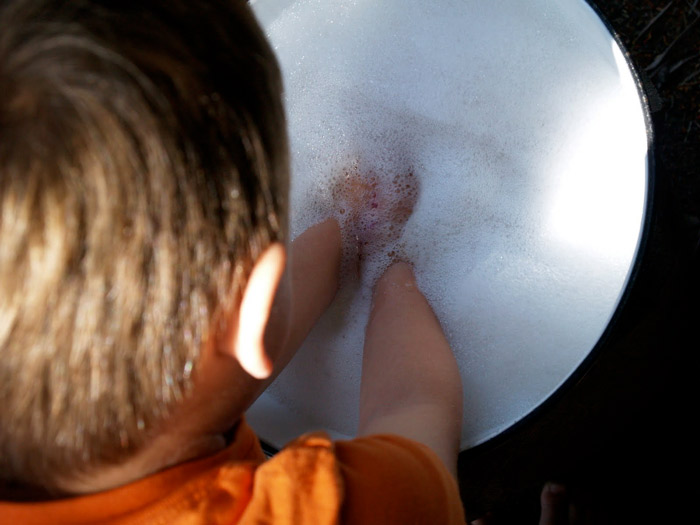
Kitty sighed deeply while we were reading. I asked her what was making her sad, and she replied that she wished we were a family who washed our clothes by hand like Laura and Ma did in the book. 'Well,' I said, 'Let's make some clothes for you and Teddy to wash.'
Today, we had a wonderful day making, and washing, prairie clothes. . . . Teddy washed and hung out his clothes three times.
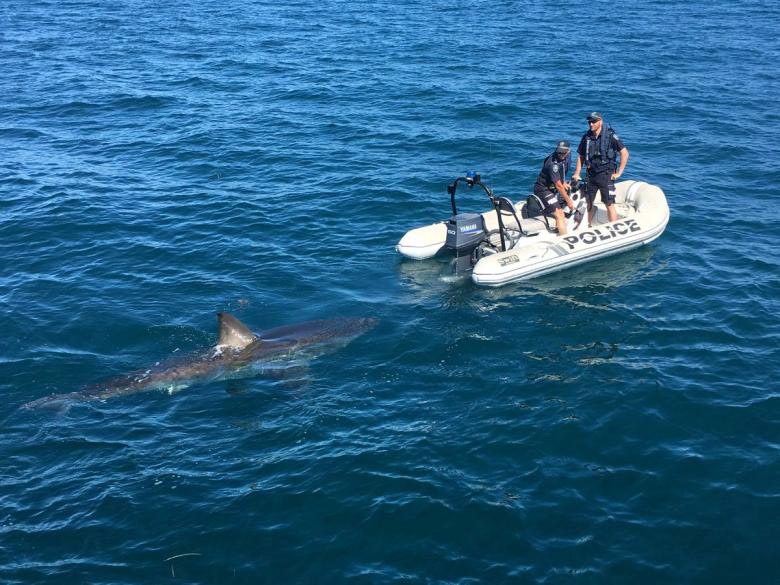
Policemen keep an eye on a shark that's hanging around their boat in the waters of the Great Australian Bight, a bay off Australia's southern coast that is home to a large shark population.
Apparently, this picture has been all over the web for a few years now. My lackadaisical research was unable to turn up anything at all about who made it or when or why.
You know how when people are showing you around a city they know well, they keep pointing at places and saying, "This used to be a bowling alley"? In Philadelphia, it's always, "This used to be a Wawa."
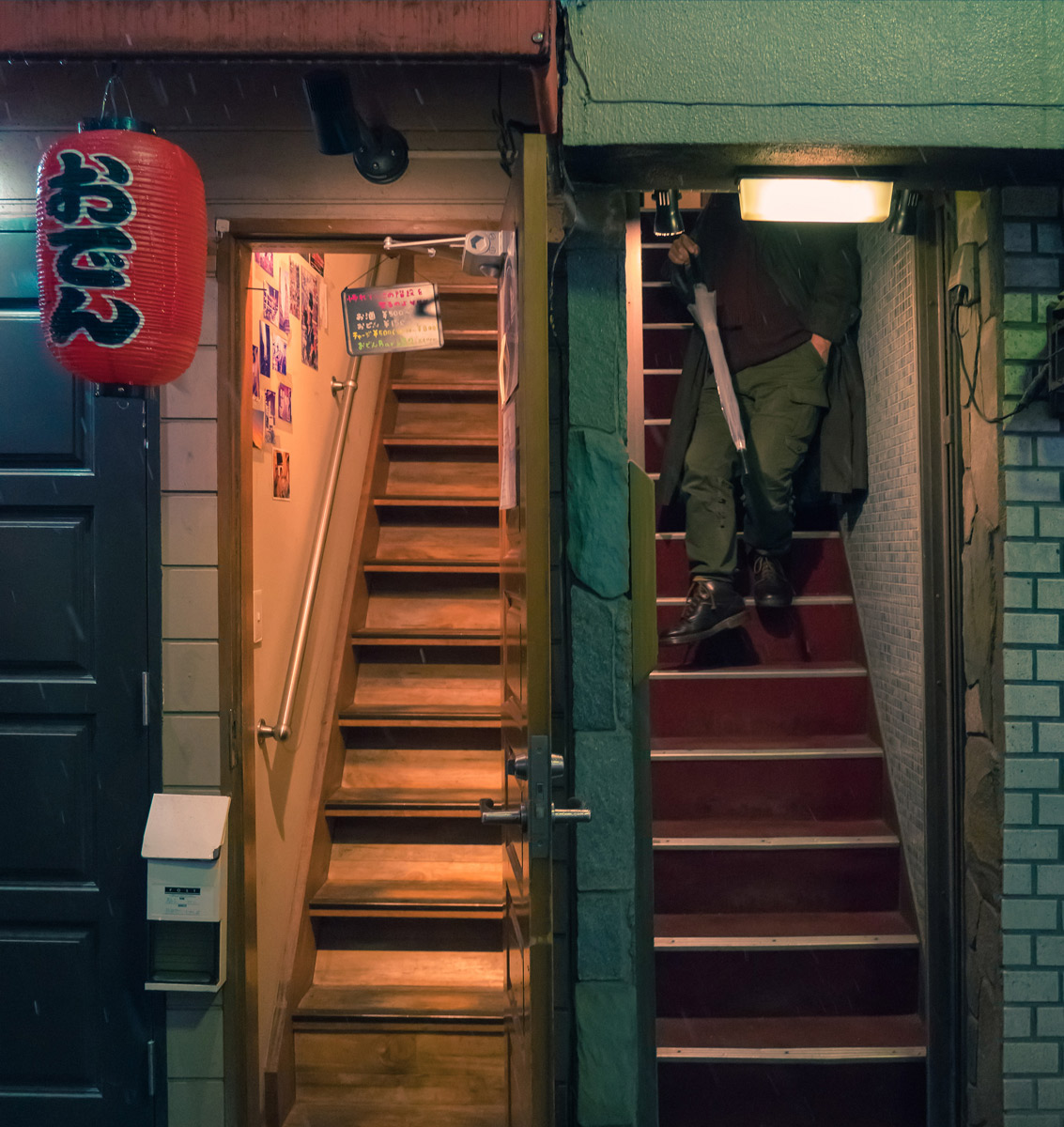
Next to Tokyo''s famed neon nightclub district is Golden Gai, which we're told is the old nightlife neighborhood, packed with tiny dive bars, many of them up steep stairs from the street.
Somehow, Golden Gai escaped the urban renewal boom that destroyed almost all of old-timey Tokyo. These two staircases lead to two different bars. A patron with a furled umbrella descends from one of them.
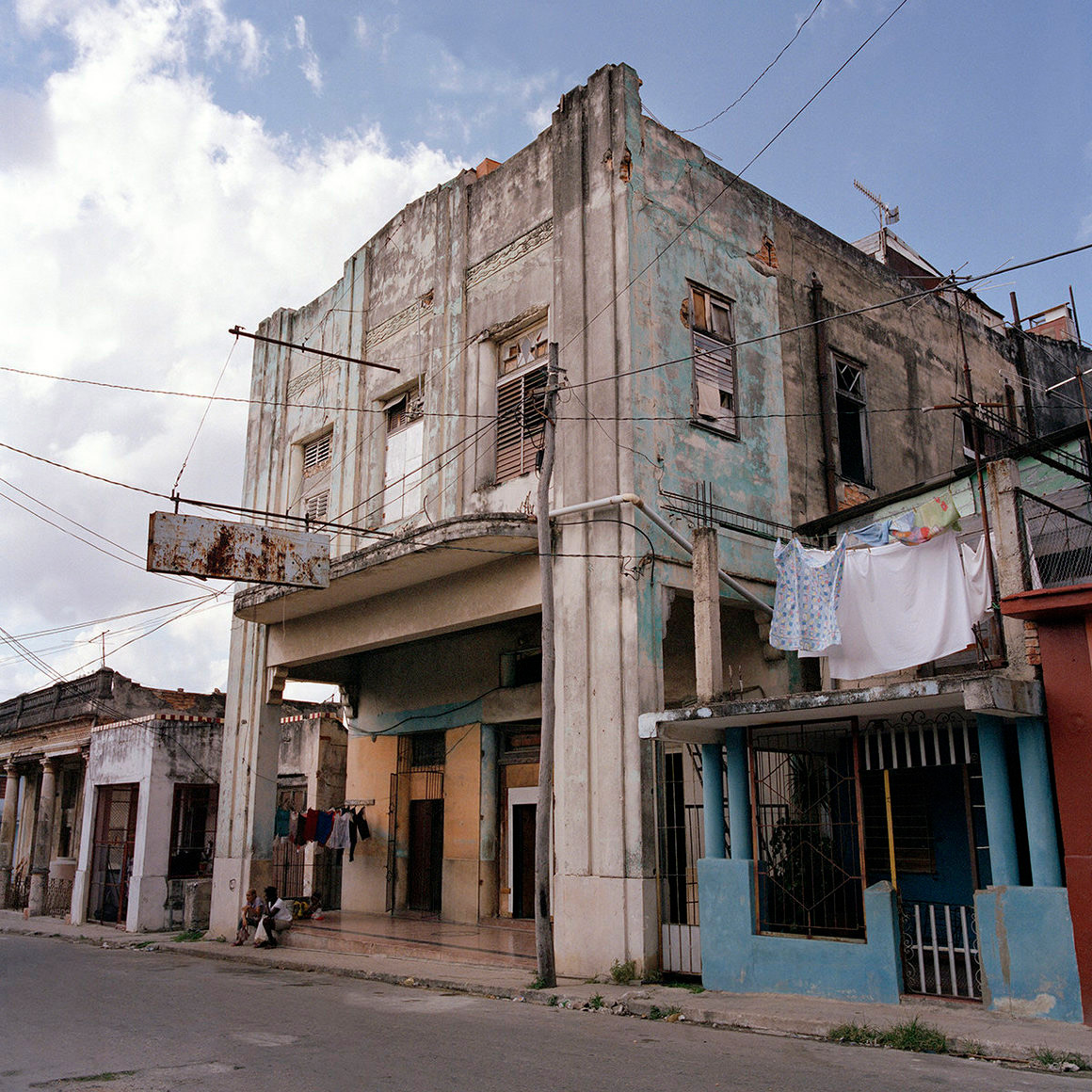
About two weeks after this photo was taken, the Cuban national capitol building reopened following an eight-year renovation project.
The building, completed in 1929–during an era when Cuban dictators were, let's say, sucking up to the American governmen–is an exact replica of the U.S. Capitol and was used for the national congress. After the revolution, Castro repurposed it as an office building, most recently for the Ministry of Science and Technology.
El Capitolio will return to its original use April 12, when the Cuban national assembly convenes in the building to choose a new president. For the first time since the revolution, nobody named Castro will be in the running.
Easter and Passover have their religious significance, but on the level of humble material culture, both holidays come down to eggs. So here are some really pretty chickens, photographed in a barnyard portrait studio by Tamara Staples.
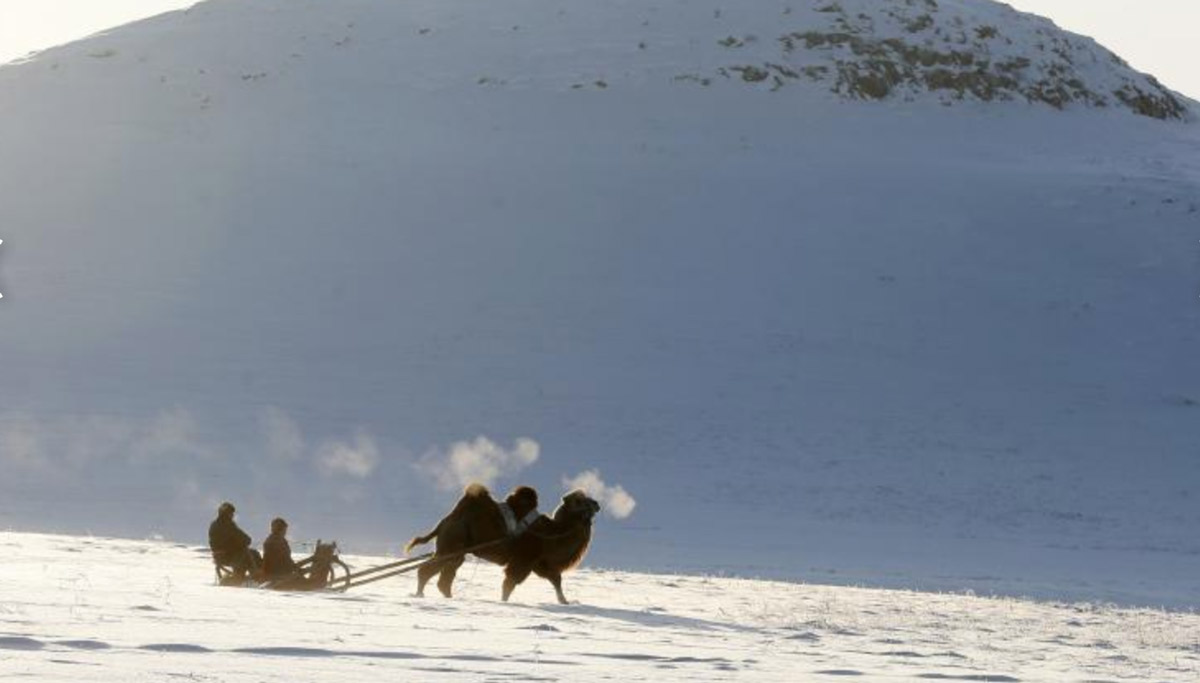
A camel is the beast of choice for hauling shepherds on their sled across the steppes of southern Siberia, near the Mongolian border.
An estimated two million of the two-humped Bactrian camels live today throughout central Asia, most of them domesticated for work as pack animals, a job they've been doing since ancient times. Like their one-humped cousins in north Africa and the Middle East, Bactrian camels are drought-tolerant; they can also survive extreme cold and high altitude.
The shepherds riding in the sled are from the Russian Republic of Tuva, where they tend a flock of sheep and goats that must travel long distances to find good pasturage throughout the year.
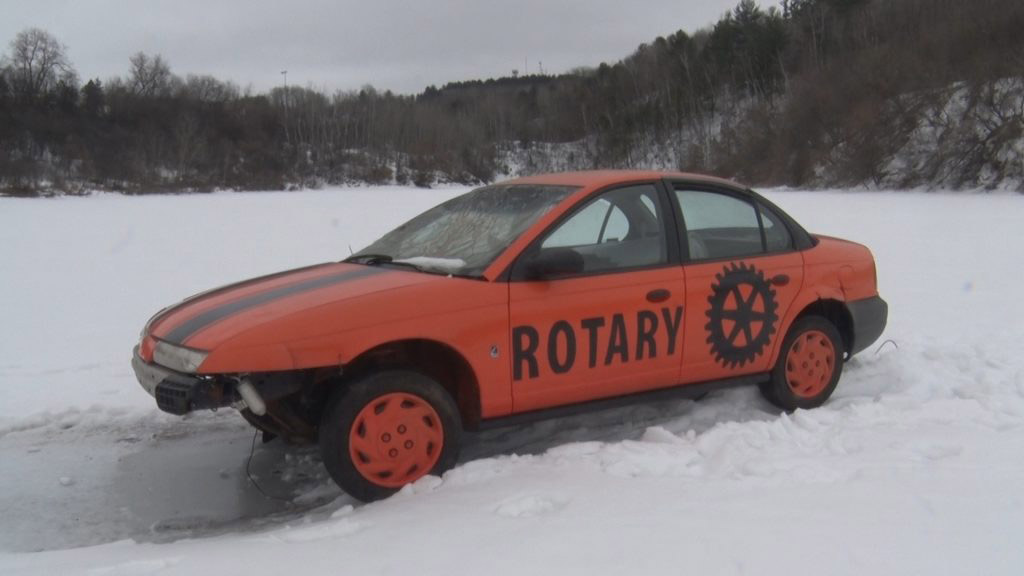
Ticket sales stopped about a week ago, but we're still looking forward to the main event: the Iron Mountain Car Plunge, when the ice on the water in the East Chapin mine pit finally gives way and the orange car sinks into the depths. At that moment, it can truly be said: spring has begun on the Upper Peninsula of Michigan.
Tickets were three for $10–three chances to guess the day, hour, and minute of the ice-out; whoever guesses closest to the actual sinking of the car, as determined by video evidence from a webcam trained on the car on the ice, wins $1,500. The local Rotary club uses the rest of the money from ticket sales to support local organizations and events.
Ice-out raffles like this one are an old Upper Peninsula tradition, popular into the 1950s. The Iron Mountain Car Plunge was revived four years ago, using a donated 1998 Saturn stripped of its engine, battery, fluids, and anything else that might be environmentally hazardous. Students at the local technical school scrubbed the car inside and out to remove all traces of road salt and grime, and then painted it orange to attract attention. A chain on its rear axle allows it to eventually be hauled up out of the water and stored till the ice comes back next year.
The East Chapin pit looks like a good-sized lake but is actually an abandoned underground mine that collapsed in on itself and flooded.
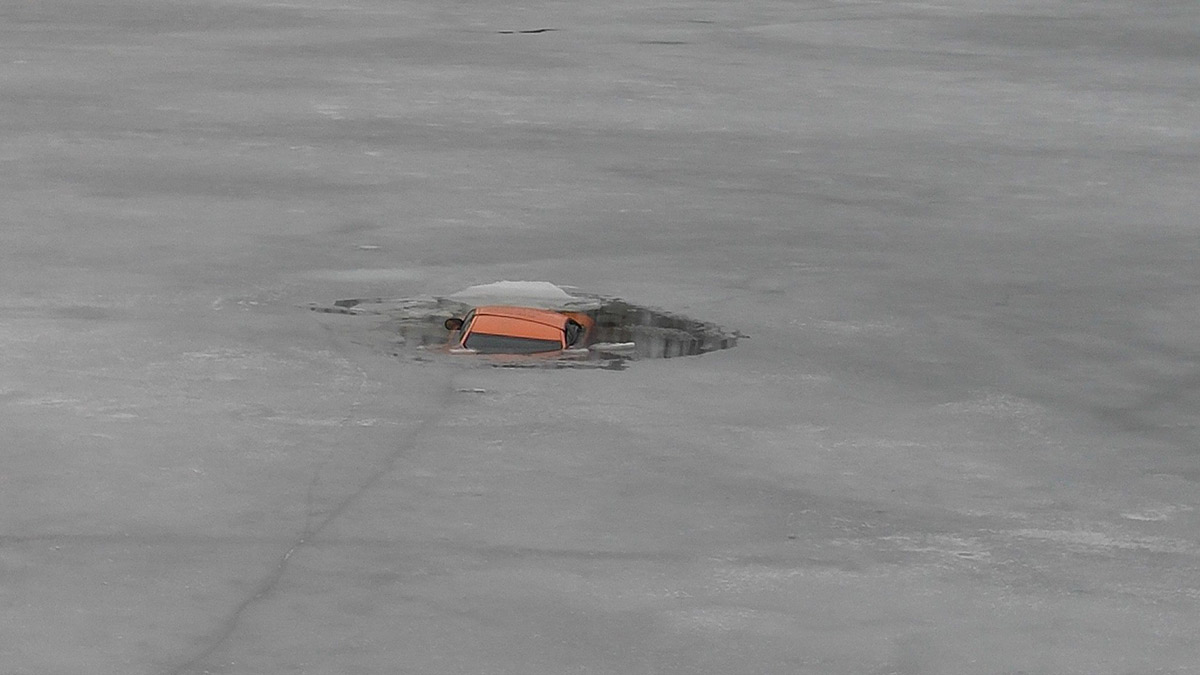
As of this writing, the ice is still looking solid. Last year, the car did its plunge thing at 4:07 PM on April 2, 2017; in 2016, it sank in mid-April, and in 2015 in late March. For those who may be thinking about buying some chances on next year's plunge: data clearly show that the car always goes down in the late afternoon.
Below is a webcam image from right around the moment of last year's plunge.
 Nothing, it seems, gets past our readers.